
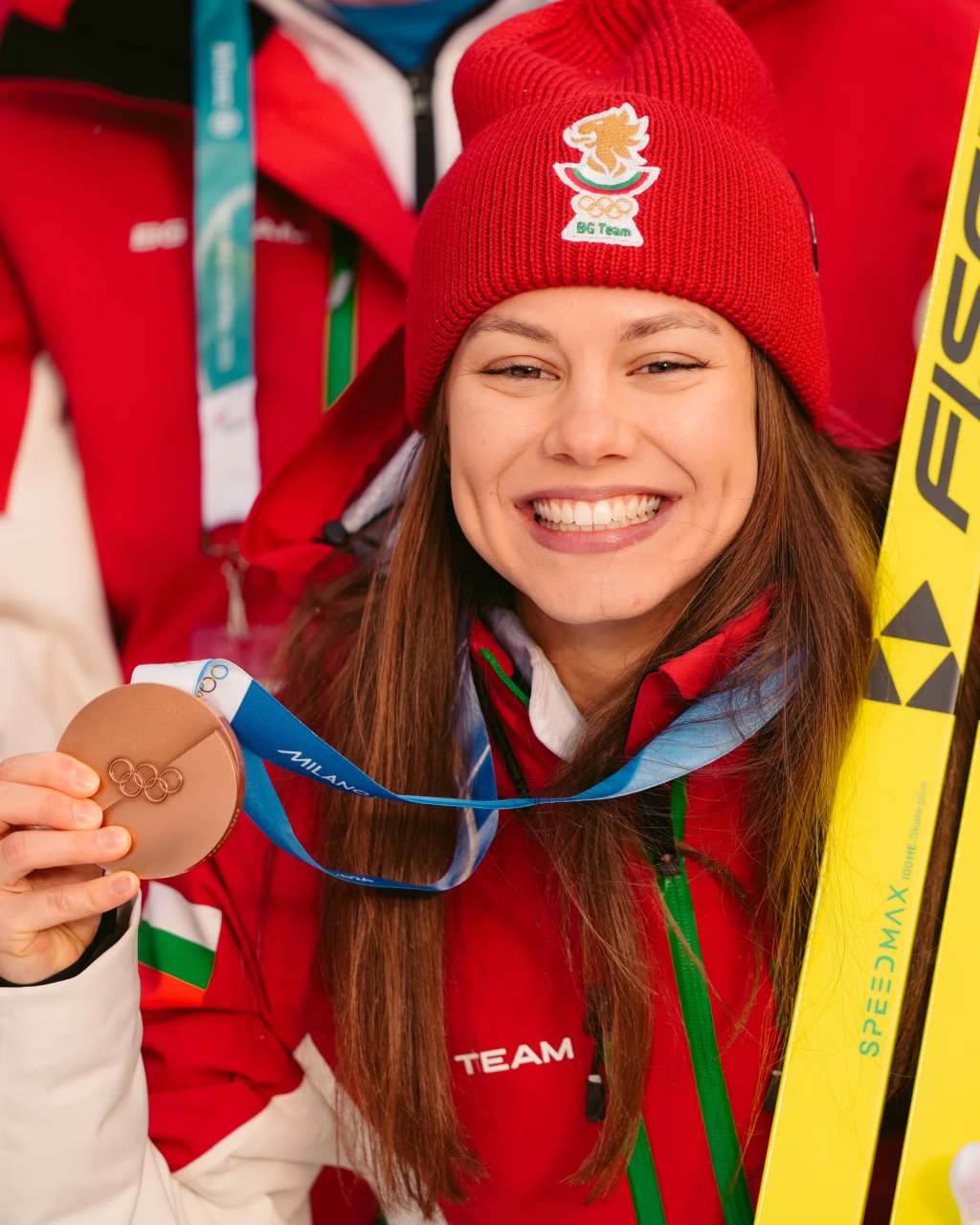
At the 2026 Winter Olympics in Milan–Cortina, two distinct stories captured the spirit and complexity of elite sport — one rooted in historic achievement, the other in modern discourse about athletes, identity, and public expectation.
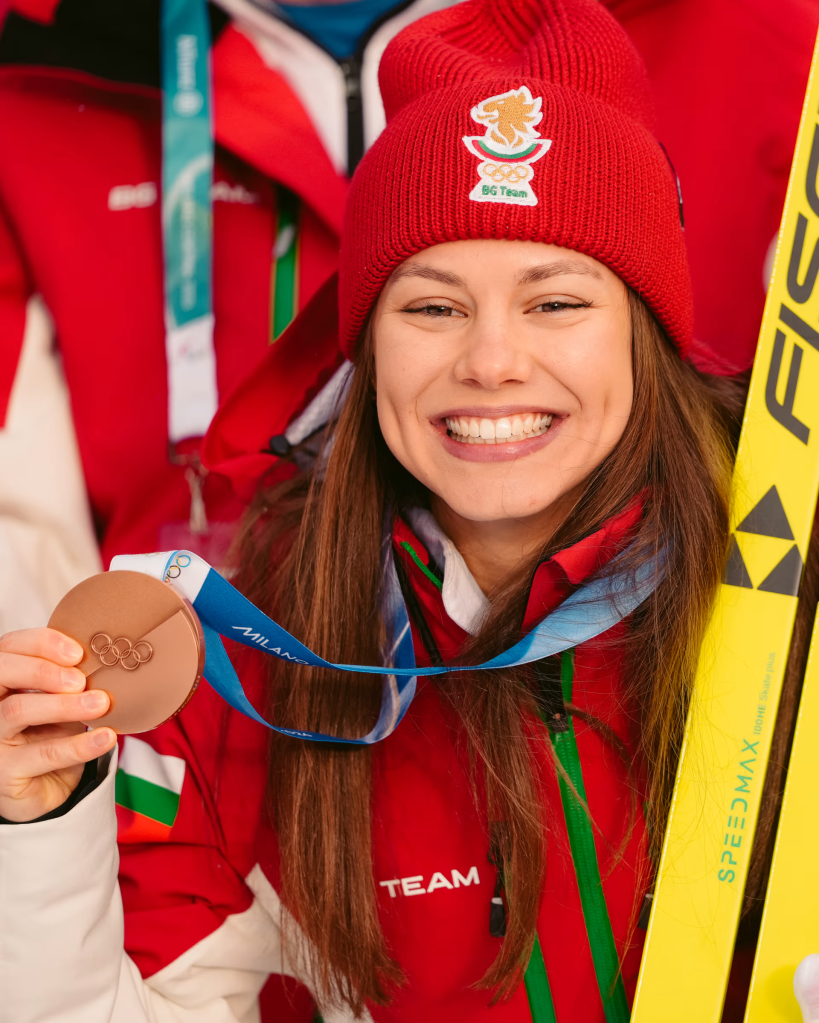
Lora Hristova’s sensational rise in biathlon
At just 22 years old, Bulgarian biathlon athlete Lora Hristova achieved what many thought impossible. Entering the Games ranked 73rd in the World Cup Total Score, she defied expectations by winning bronze in the women’s 15km individual race, marking Bulgaria’s first Olympic medal in the sport since 2002.
Hristova described the achievement as “insane” and “unbelievable,” saying she couldn’t believe she was standing alongside the legends of biathlon and performing her best at the world’s biggest stage.
It’s a historic milestone for Bulgarian winter sports — proof that underdog success is not only possible, but spectacular.
Jutta Leerdam: performance and controversy
Across disciplines, Dutch speed skating star Jutta Leerdam dominated headlines at the same Games — not only for her results but for the conversation surrounding them.
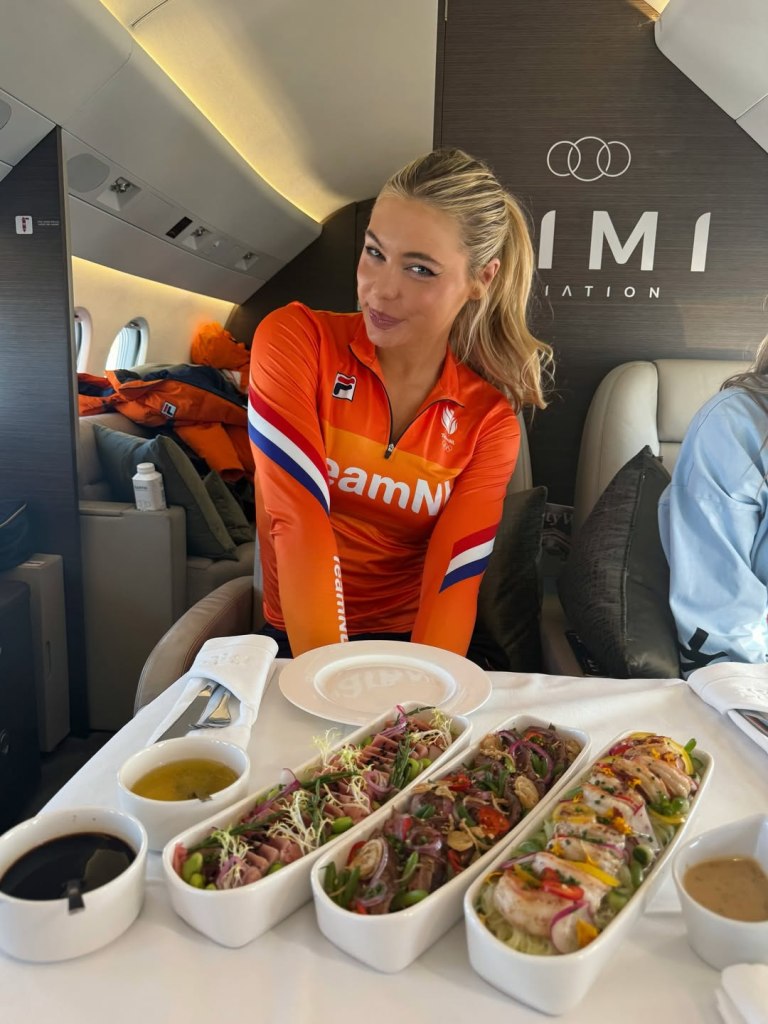
Leerdam arrived at the Milan Games on a private jet rather than with the rest of the Dutch delegation, a choice that created criticism in parts of the media and among some fellow athletes. Some people labeled her choice “diva-like” and argued it was out of step with traditional notions of national team unity.
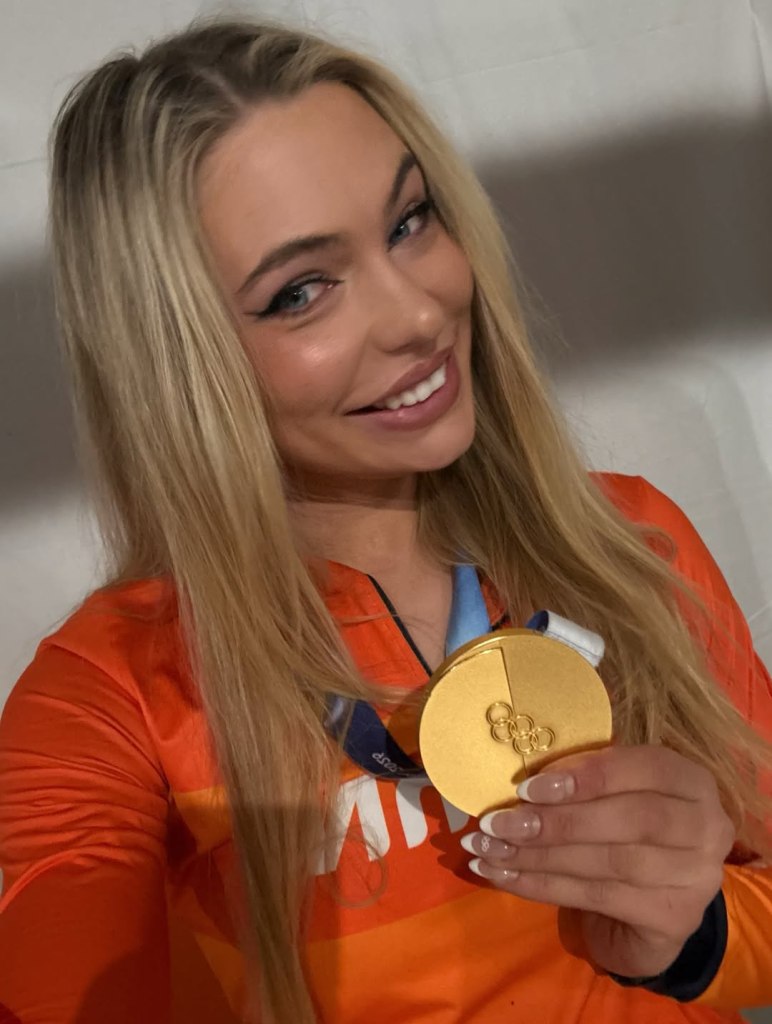
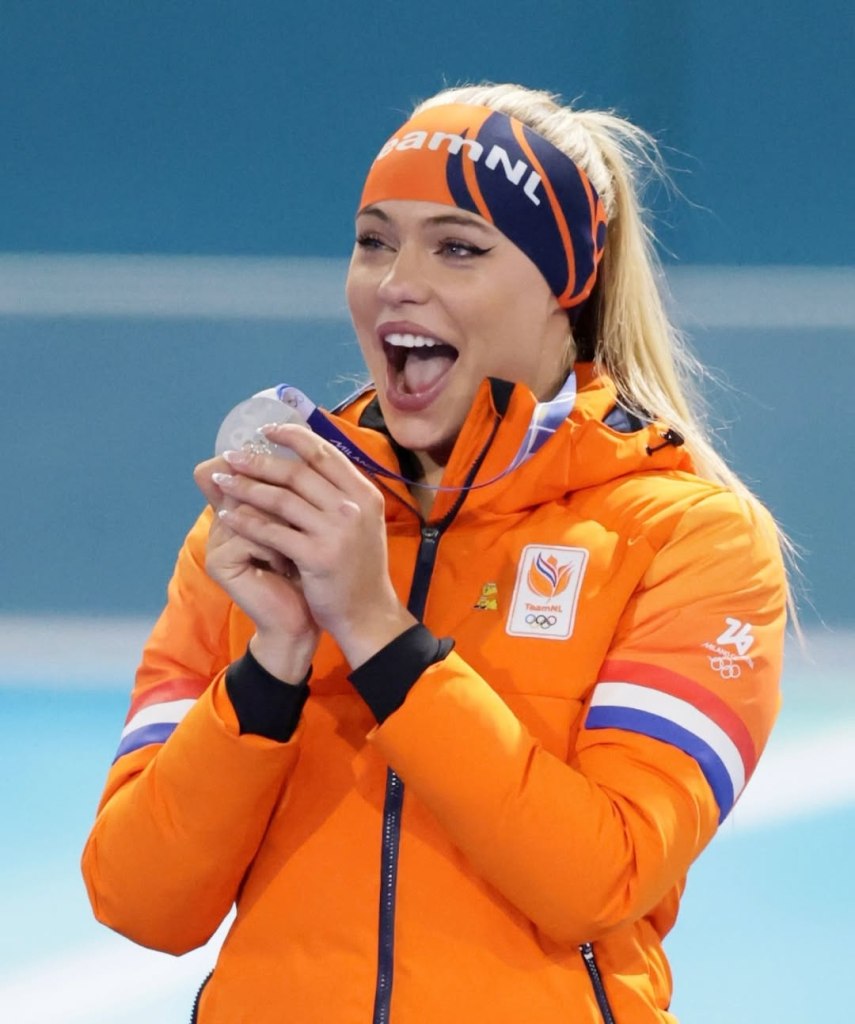
However, framing the story solely through that lens misses the broader context of what it means to be an athlete. Professional competitors increasingly balance multiple roles — elite performance, personal rights, commercial partnerships, and personal life. Leerdam’s arrival method does not diminish her dedication, commitment, or remarkable achievements, including Olympic gold in the 1000m and silver in the 500m, where she set an Olympic record and stood on top of the speed skating world.
In fact, many critics of the controversy have emphasized that such debates often overlook the athlete’s real work — training, perseverance, and competitive excellence — in favor of surface narratives about lifestyle and image.
 Las Campeonas
Leave a comment